Life Cycle Assessment

Life Cycle Assessment (LCA) is a powerful decision-making tool that enables companies to evaluate the environmental footprint of their products, processes, and services from cradle to grave. It covers every phase of the life cycle, including raw material sourcing, manufacturing, distribution, use phase, and end-of-life treatment.

By integrating LCA into product development, process optimization, and corporate sustainability strategy, organizations gain a competitive edge. MSTECH supports clients in using LCA to identify carbon hotspots, reduce resource intensity, improve ESG reporting, and align with net-zero and circular economy goals.

What we do

Our Life Cycle Assessment Services

We offer end-to-end LCA services tailored to help businesses identify environmental impacts, meet compliance requirements, and drive sustainability performance across operations and supply chains.


Full Product Lifecycle Evaluation

We conduct complete life cycle assessments covering every stage from raw material extraction to disposal. This reveals high-impact areas and guides sustainability improvements in your product and process design.


Carbon Footprint Reduction Strategies

By analyzing emissions and resource consumption throughout a product’s life cycle, we develop customized strategies to reduce carbon footprint, optimize material usage, and improve energy efficiency.


Sustainable Manufacturing Optimization

We assess your production processes to find ways to minimize waste, lower energy consumption, and reduce environmental impact while maintaining efficiency and profitability.


Eco-Design & Circular Economy Solutions

Our experts help integrate eco-friendly design principles and circular economy strategies into product development, ensuring long-term sustainability and regulatory compliance.


Services Offered

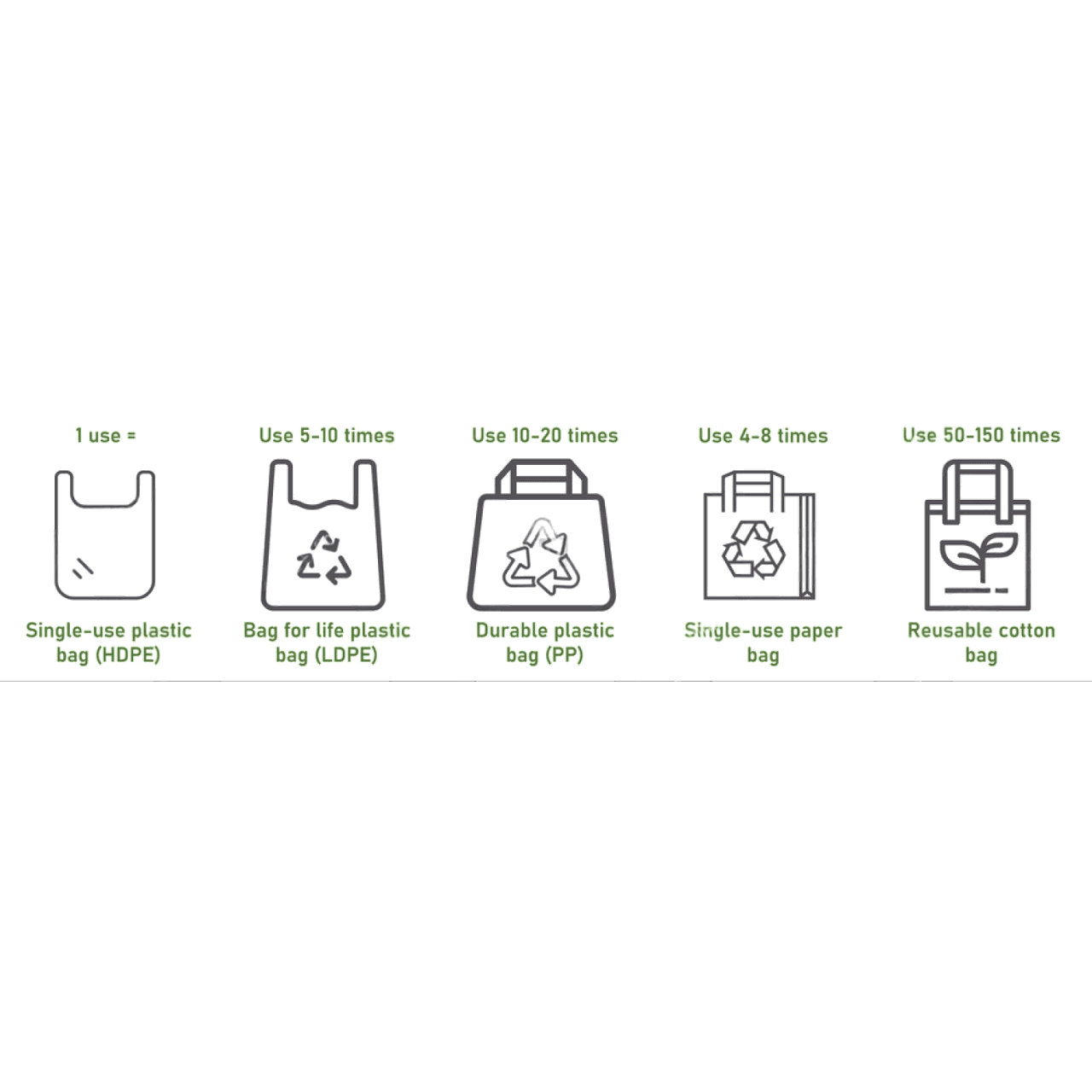
Product Life Cycle Stages for Environmental Impact Assessment

We deliver tailored solutions that develop leadership, align teams, and foster a thriving organizational culture.

1

Raw Material Extraction (Cradle)

This stage involves sourcing raw materials from natural resources such as metals, plastics, minerals, or organic fibers. Environmental concerns at this phase include resource depletion, energy consumption, and emissions from mining, logging, or agricultural activity.

1

Raw Material Extraction (Cradle)

This stage involves sourcing raw materials from natural resources such as metals, plastics, minerals, or organic fibers. Environmental concerns at this phase include resource depletion, energy consumption, and emissions from mining, logging, or agricultural activity.

1

Raw Material Extraction (Cradle)

This stage involves sourcing raw materials from natural resources such as metals, plastics, minerals, or organic fibers. Environmental concerns at this phase include resource depletion, energy consumption, and emissions from mining, logging, or agricultural activity.

2

Manufacturing and Production

Raw materials are transformed into finished products through processes like machining, assembly, and packaging. This stage contributes to greenhouse gas emissions, waste generation, and energy use, making it a key focus in carbon footprint reduction.

2

Manufacturing and Production

Raw materials are transformed into finished products through processes like machining, assembly, and packaging. This stage contributes to greenhouse gas emissions, waste generation, and energy use, making it a key focus in carbon footprint reduction.

2

Manufacturing and Production

Raw materials are transformed into finished products through processes like machining, assembly, and packaging. This stage contributes to greenhouse gas emissions, waste generation, and energy use, making it a key focus in carbon footprint reduction.

3

Distribution and Usage

Products are transported to distribution centers, retailers, or end-users. During their active use, products consume energy and may require maintenance. Durability, repairability, and user behavior all influence environmental impact at this stage.

3

Distribution and Usage

Products are transported to distribution centers, retailers, or end-users. During their active use, products consume energy and may require maintenance. Durability, repairability, and user behavior all influence environmental impact at this stage.

3

Distribution and Usage

Products are transported to distribution centers, retailers, or end-users. During their active use, products consume energy and may require maintenance. Durability, repairability, and user behavior all influence environmental impact at this stage.

4

End-of-Life and Disposaation Strategy

At the end of its usable life, a product is either discarded, recycled, or repurposed. Sustainable waste management practices—such as recycling, composting, or reuse, can significantly reduce landfill waste, emissions, and resource loss.

4

End-of-Life and Disposaation Strategy

At the end of its usable life, a product is either discarded, recycled, or repurposed. Sustainable waste management practices—such as recycling, composting, or reuse, can significantly reduce landfill waste, emissions, and resource loss.

4

End-of-Life and Disposaation Strategy

At the end of its usable life, a product is either discarded, recycled, or repurposed. Sustainable waste management practices—such as recycling, composting, or reuse, can significantly reduce landfill waste, emissions, and resource loss.

5

Environmental Impact and Sustainability Considerations

Across all life cycle stages, businesses can assess and improve their environmental performance by reducing emissions, optimizing material efficiency, and adopting circular economy principles. This strategic view enables smarter, more sustainable decision-making.

5

Environmental Impact and Sustainability Considerations

Across all life cycle stages, businesses can assess and improve their environmental performance by reducing emissions, optimizing material efficiency, and adopting circular economy principles. This strategic view enables smarter, more sustainable decision-making.

5

Environmental Impact and Sustainability Considerations

Across all life cycle stages, businesses can assess and improve their environmental performance by reducing emissions, optimizing material efficiency, and adopting circular economy principles. This strategic view enables smarter, more sustainable decision-making.

6

Change Readiness & Alignment

Prepare your teams for transformation by aligning mindsets, roles, and expectations.

6

Change Readiness & Alignment

Prepare your teams for transformation by aligning mindsets, roles, and expectations.

6

Change Readiness & Alignment

Prepare your teams for transformation by aligning mindsets, roles, and expectations.

How we work

Collaborative, evidence-based, and people-focused

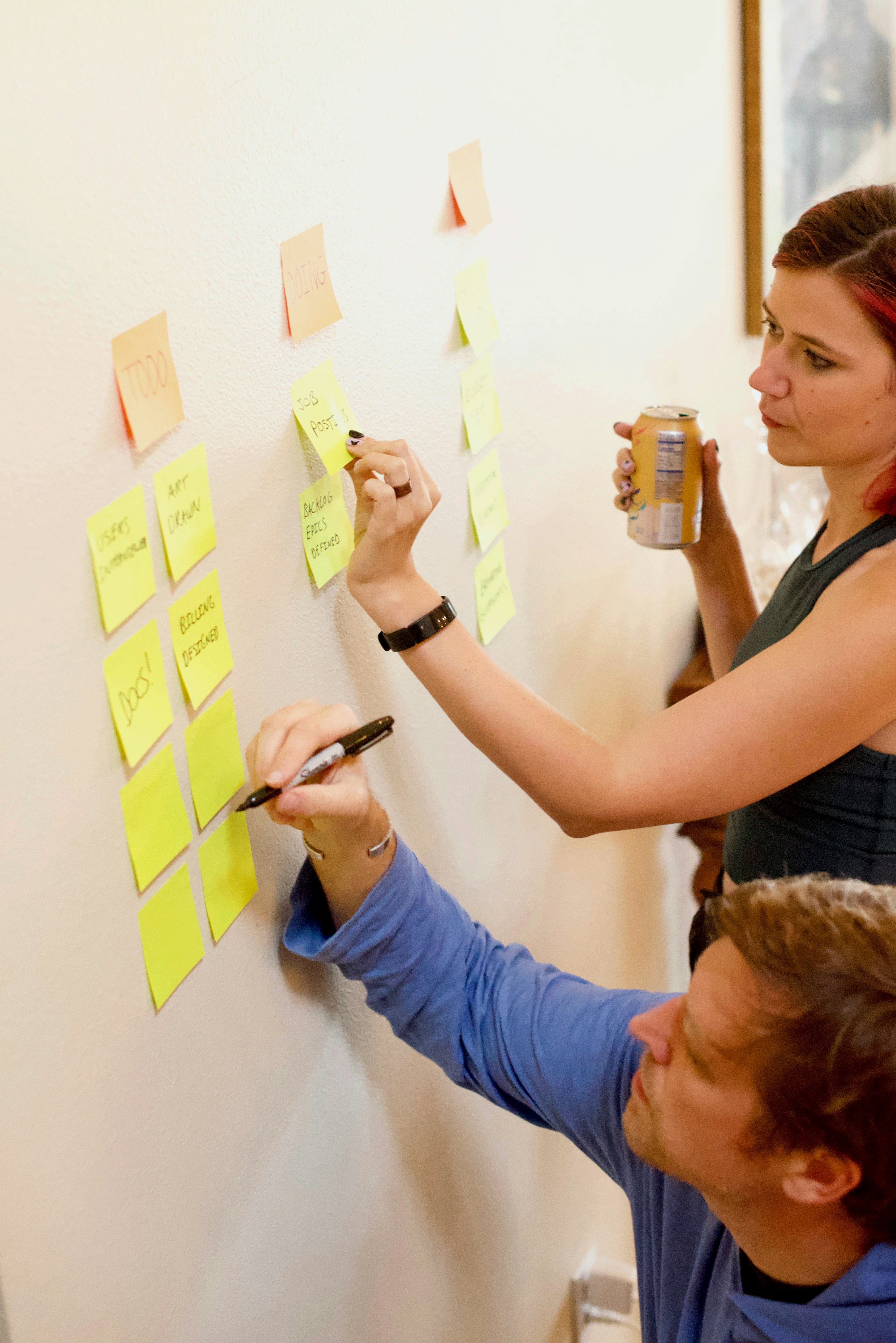
Our development approach combines human insight with business logic—driving real change through culture, communication, and capability.
Organizational Assessment

We evaluate current culture, structure, leadership, and performance through data and dialogue.

Organizational Assessment

We evaluate current culture, structure, leadership, and performance through data and dialogue.

Organizational Assessment

We evaluate current culture, structure, leadership, and performance through data and dialogue.

Strategy Design

We craft an organizational roadmap that supports your business goals and empowers your people.

Strategy Design

We craft an organizational roadmap that supports your business goals and empowers your people.

Strategy Design

We craft an organizational roadmap that supports your business goals and empowers your people.

Implementation & Coaching

We support leaders and teams through change with training, workshops, and strategic communication.

Implementation & Coaching

We support leaders and teams through change with training, workshops, and strategic communication.

Implementation & Coaching

We support leaders and teams through change with training, workshops, and strategic communication.

Review & Evolution

We measure outcomes and continuously adjust the approach to ensure long-term impact and alignment.

Review & Evolution

We measure outcomes and continuously adjust the approach to ensure long-term impact and alignment.

Review & Evolution

We measure outcomes and continuously adjust the approach to ensure long-term impact and alignment.

Get in touch

Ready to move your business forward? Let’s talk.

Whether you’re seeking clarity, growth, or transformation, we’re here to help. Reach out to start the conversation — no pressure, no obligation.
Book a free consultation

By submitting this form you agree to our Privacy Policy. Optimum may contact you via email or phone for scheduling or marketing purposes.